Gaming Verticals Adapt Resource Distribution to New Oversight Fee Structures
Taylor Hoffmann · Sep 8, 2026

Gaming Verticals Adapt Resource Distribution to New Oversight Fee Structures
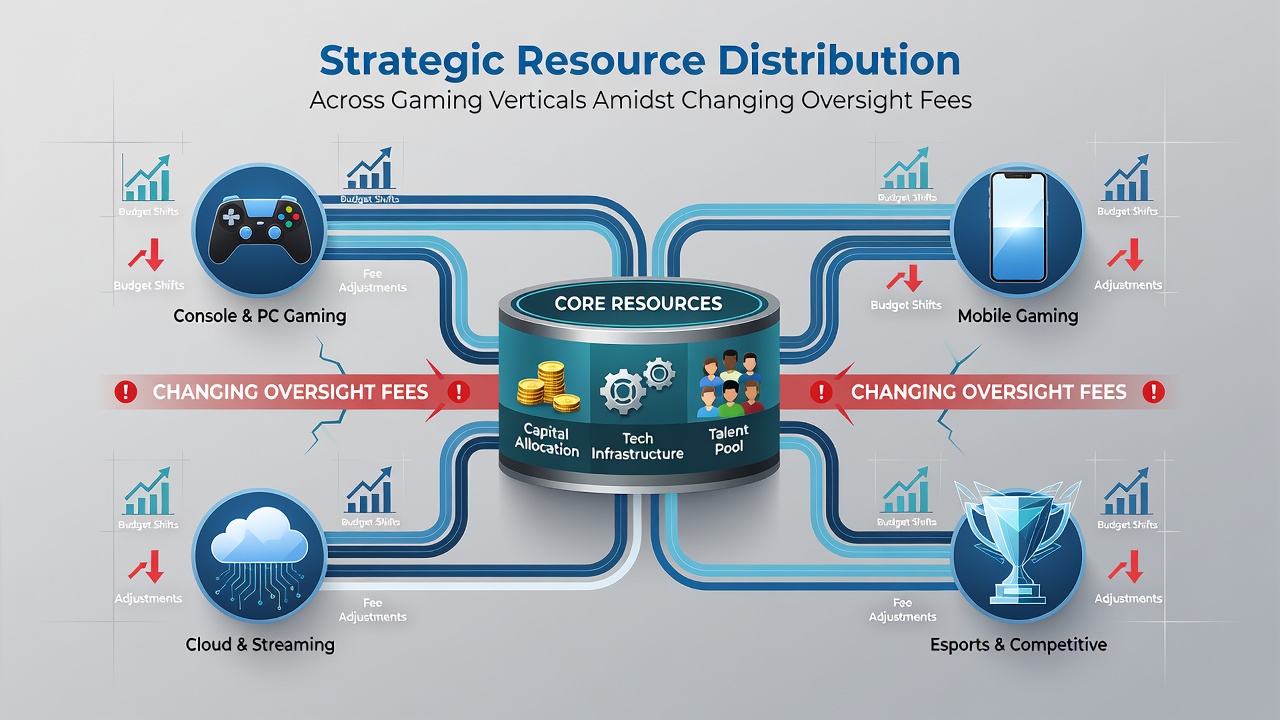
Operators across gaming sectors have adjusted capital and operational budgets in response to revised oversight fee schedules that took effect in multiple jurisdictions during 2025, with further adjustments scheduled for September 2026 in several markets. These changes affect licensing renewals, compliance reporting, and transaction monitoring requirements, prompting firms to rebalance spending between online platforms, sports betting divisions, and traditional venue operations.
Fee Adjustments Across Jurisdictions
Regulatory bodies in North America and Europe introduced tiered fee models that scale with revenue volume and product type, while Australian state authorities applied flat increases tied to digital licensing categories. Data compiled by the American Gaming Association shows average oversight costs for remote operators rose between 12 and 18 percent in 2025 compared with prior periods, whereas land-based venues experienced more modest single-digit increases. Canadian provincial regulators followed similar patterns, linking fee calculations to player transaction volumes rather than fixed annual charges.
Reallocation Patterns in Online and Sports Betting
Companies managing both remote casino products and sports betting platforms shifted technology budgets toward unified compliance software that covers multiple verticals under single reporting frameworks. This approach reduced duplication in audit preparation and data storage, allowing funds previously earmarked for separate regulatory filings to support player acquisition campaigns instead. Observers note that operators with diversified portfolios now allocate roughly 22 percent of compliance expenditure to shared infrastructure, up from 15 percent two years earlier, according to industry association surveys.
Land-Based Venue Adjustments
Traditional casino properties responded by consolidating security and surveillance contracts across multiple sites, while directing savings toward digital integration projects that link physical gaming floors with online loyalty programs. Research from university-led studies on North American gaming markets indicates these integrated systems lowered per-site oversight reporting costs by approximately 9 percent in 2025. Venue operators also reduced marketing spend in lower-margin slot areas and redirected resources toward table games that carry lower per-transaction monitoring fees in several U.S. states.
Cross-Vertical Technology Investments
Firms handling slots, blackjack, roulette, and poker simultaneously invested in modular platforms that permit rapid reallocation of server capacity based on real-time regulatory cost signals. This flexibility proved useful when certain jurisdictions announced mid-year fee recalibrations tied to responsible gambling tool adoption rates. European operators, drawing on guidance from multi-country trade groups, reported reallocating between 8 and 14 percent of annual technology budgets toward automated reporting modules that satisfy requirements from multiple oversight bodies at once.
Staffing and Training Rebalancing
Human resource allocation followed similar logic, with compliance teams cross-trained to handle both remote and venue-based audits rather than maintaining separate specialized units. Training programs now emphasize shared regulatory language and documentation standards across product lines, reducing the need for duplicated headcount. Figures from Canadian gaming research centers reveal that operators adopting unified training models cut compliance staffing expenses by an average of 11 percent while maintaining audit pass rates.
September 2026 Implementation Timeline
Preparations for the September 2026 fee revisions already underway include scenario modeling that projects resource distribution under three different fee escalation rates. Operators use these models to determine whether to expand sports betting offerings, which often carry lower marginal oversight costs in certain markets, or to maintain current balances across online casino verticals. Early data from pilot programs in select Australian states suggest that proactive reallocation can offset up to 7 percent of projected fee increases through efficiency gains alone.
Conclusion
Resource distribution across gaming verticals continues to evolve in line with oversight fee modifications, driven by measurable cost differentials rather than speculative forecasts. Operators track regulatory announcements from diverse jurisdictions and adjust capital, technology, and personnel allocations accordingly, maintaining operational coverage while responding to documented changes in compliance expenses.